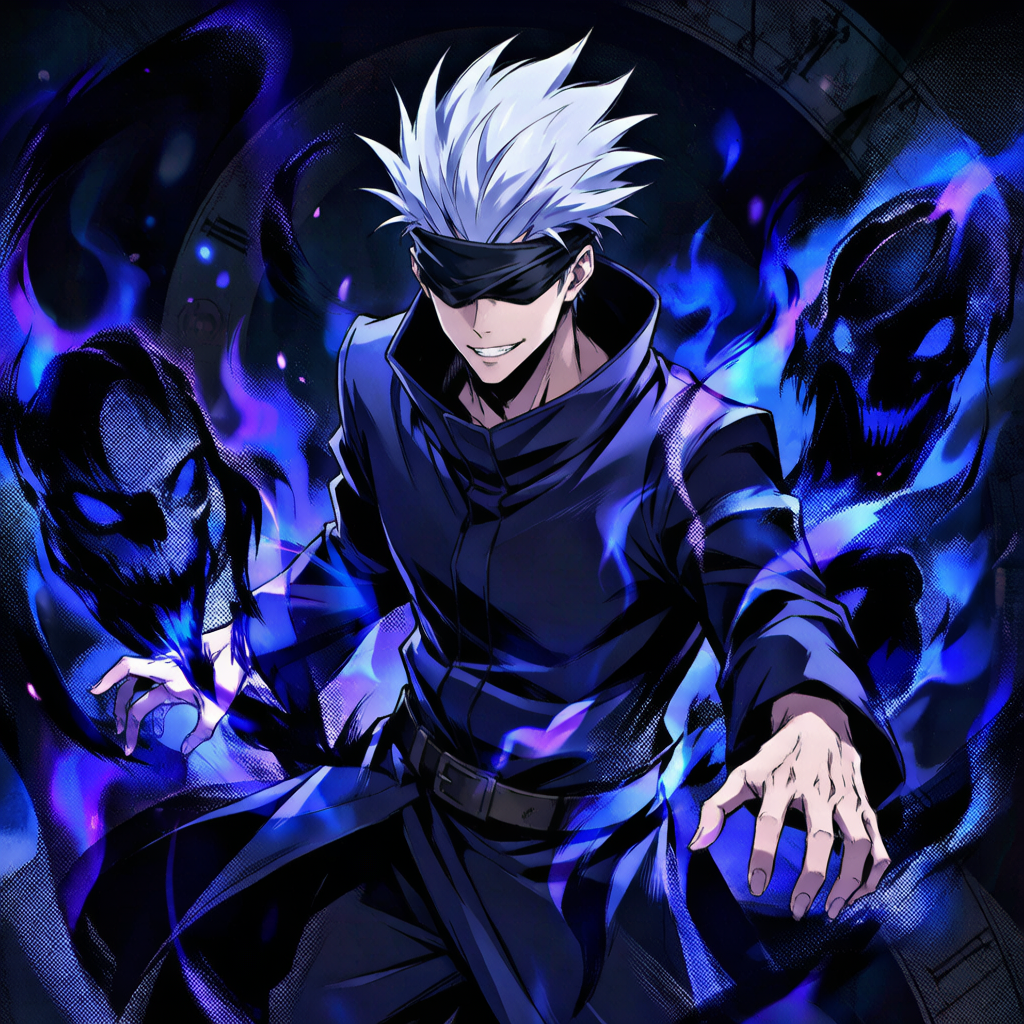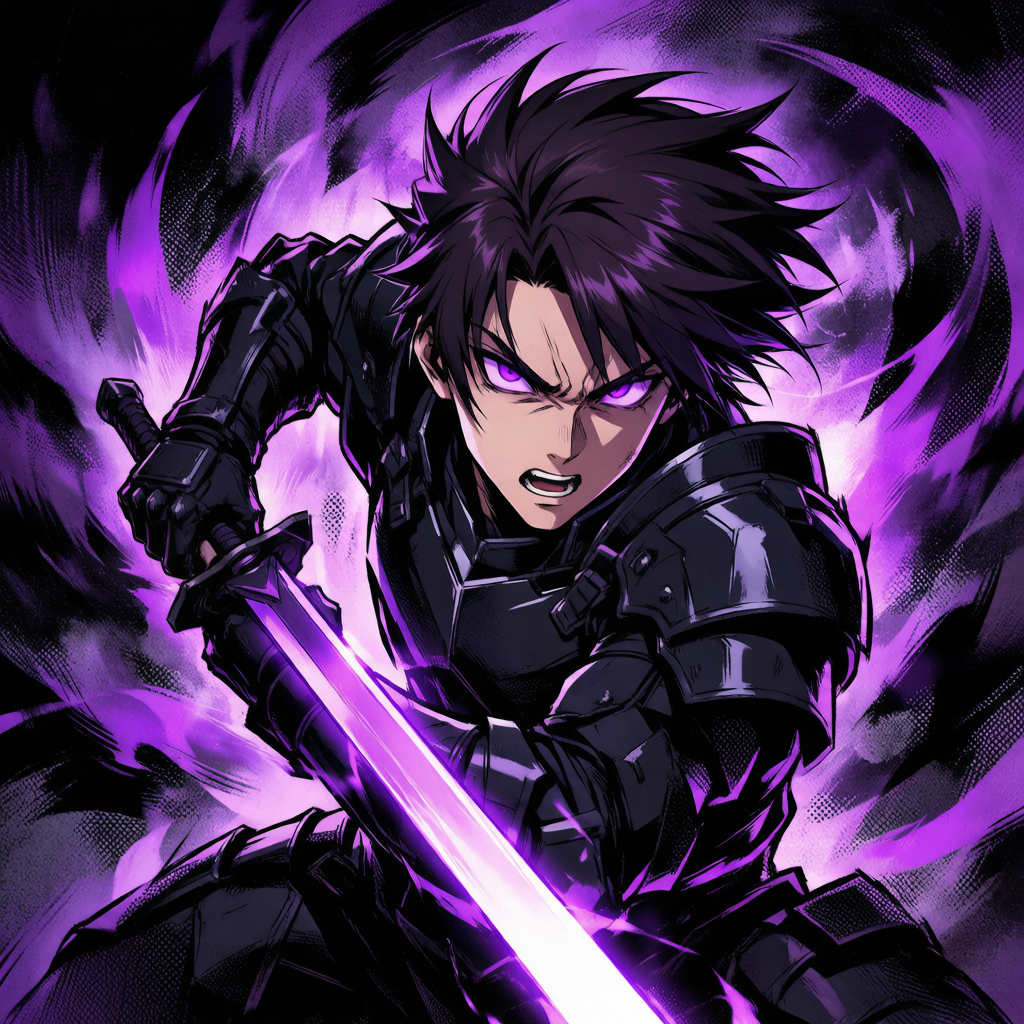
Solo Leveling, originally serialized as a web novel by Chugong before being adapted into a manhwa by Dubu, is the most successful Korean comic in global markets. Its premise: Sung Jinwoo, the weakest hunter, gains the unique ability to level up like a video game character.
What makes Solo Leveling work is not the power fantasy itself but the escalation rhythm. Each arc raises the stakes just enough to maintain tension without exhausting the reader. The manhwa's artwork by Dubu is the real draw — double-page spreads of massive battles are rendered with extraordinary detail.
The shadow army mechanic, where Jinwoo recruits defeated enemies as permanent allies, adds a collection-based hook. It is the manga equivalent of a gacha game's pull mechanic, and it works disturbingly well.
Critically, Solo Leveling has weaknesses. Female characters are underdeveloped, and the final arc rushes to resolve plot threads that earlier chapters built slowly.
Rating: 4.3 out of 5. Recommended for action manga fans who want fast-paced escalation with consistently impressive artwork.
In-Depth Analysis
Solo Leveling's journey from Korean web novel to global phenomenon represents a watershed moment for the manhwa industry. Originally serialized on KakaoPage in 2016, the series accumulated over 14 billion views across platforms by the time the webtoon concluded in 2021. The late artist Dubu (Jang Sung-rak) developed a distinctive visual language that prioritized dramatic double-page spreads and cinematic panel transitions — techniques borrowed from Japanese manga but executed with a uniquely Korean sensibility for color and negative space. Dubu's passing in 2022 added a tragic dimension to the series' legacy, transforming Solo Leveling from a commercial success into a memorial to one of manhwa's most influential artists.
The shadow army mechanic, where protagonist Sung Jinwoo raises defeated enemies as permanent allies, functions as more than a gameplay-inspired gimmick. It provides a visual progression system that makes power growth tangible — each new shadow soldier represents a conquered challenge. This "collection loop" mirrors the psychological reward mechanisms of gacha games, which explains the series' particular appeal to mobile-first readers familiar with titles like Genshin Impact and Fate/Grand Order. The mechanic also serves a narrative purpose: Jinwoo's growing army visually represents his increasing isolation from humanity. As his power grows, he becomes surrounded by the dead rather than the living — a subtle critique of the power fantasy genre's tendency to sacrifice human connection for individual strength.
The anime adaptation by A-1 Pictures, which premiered in January 2024, faced the formidable challenge of translating Dubu's highly detailed artwork into animation. Early episodes were criticized for stiff character animation and over-reliance on still frames with camera pans — techniques that betrayed the production's budget constraints. However, the fight sequences — particularly the Igris battle in episode 11 — demonstrated that the production team understood the source material's core appeal: spectacle-driven combat with emotional stakes. The series became Crunchyroll's most-streamed premiere of 2024, surpassing even Demon Slayer's latest season, proving that a well-executed adaptation can transcend its production limitations.
Animation & Art Direction
The manhwa industry's global expansion has been one of the most significant developments in comics publishing over the past decade. Korean webtoons generated over $1.2 billion in revenue in 2024, with platforms like Webtoon (Naver) and Tapas (Kakao) leading distribution outside Korea. Solo Leveling's success was instrumental in proving that non-Japanese comics could compete in markets traditionally dominated by manga, paving the way for titles like Omniscient Reader's Viewpoint and The Beginning After the End to find global audiences.
The global anime market reached a valuation of $31.2 billion in 2024, according to the Association of Japanese Animations, with international revenue surpassing domestic revenue for the first time in 2023. This structural shift has profound implications for content creation: studios increasingly consider global audience preferences during production, leading to more diverse storytelling and reduced reliance on tropes that resonate primarily with Japanese audiences. Streaming platforms have been the primary driver of this expansion, with Crunchyroll alone surpassing 15 million paid subscribers in 2024.
Social media has transformed how anime fandoms operate, creating global communities that discuss episodes in real-time across time zones. Twitter (X) reported that anime-related content generated over 5 billion engagements in 2024, making it one of the platform's most active content categories. This digital ecosystem has democratized anime criticism, allowing voices from diverse cultural backgrounds to contribute to discussions that were previously dominated by Japanese and American perspectives. The result is a richer, more nuanced global conversation about what anime means and who it serves.
Looking ahead, the integration of AI tools into animation production represents both opportunity and challenge. Studios like Production IG and Science SARU have begun experimenting with AI-assisted in-between frame generation, potentially reducing the grueling manual labor that has characterized the industry. However, animators' unions have raised concerns about job displacement and the preservation of artistic intent. These debates will shape the next decade of anime production and determine whether technological advancement serves creators or merely reduces costs for production committees.