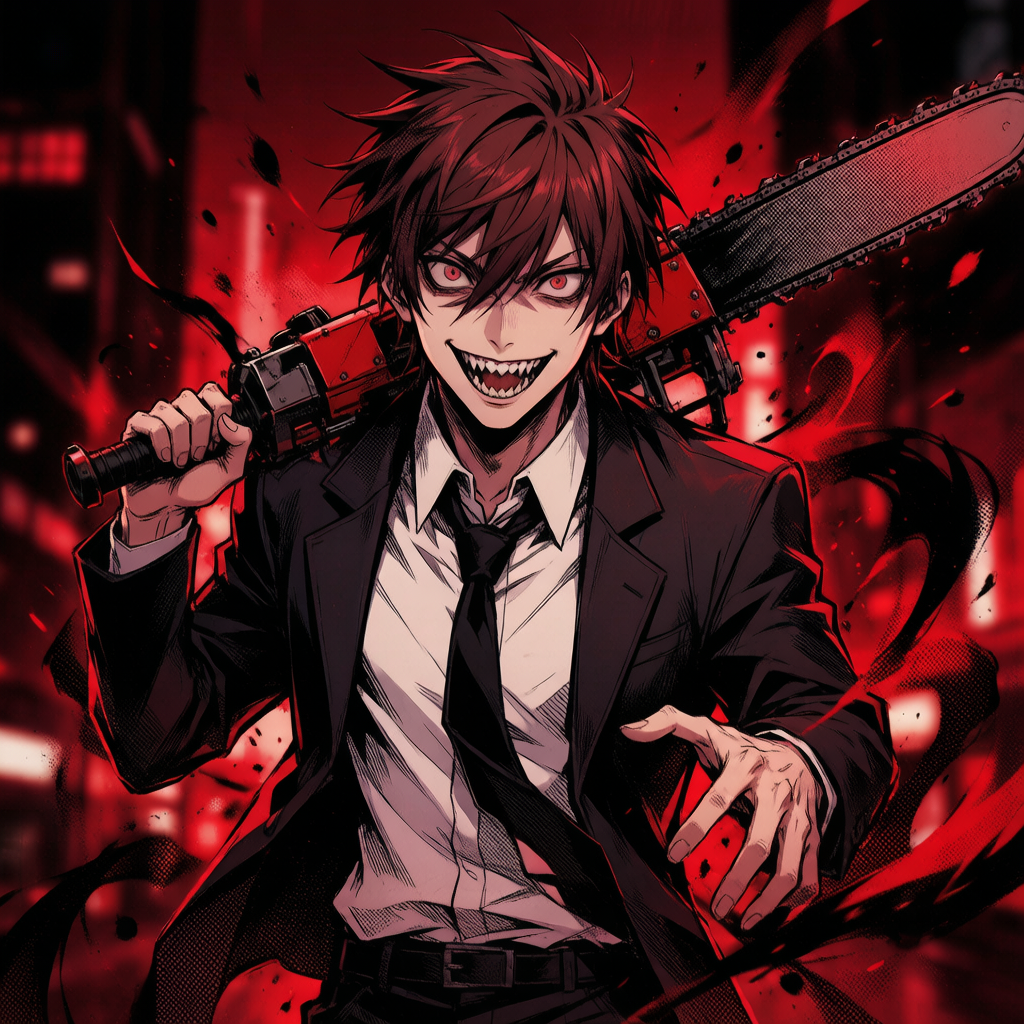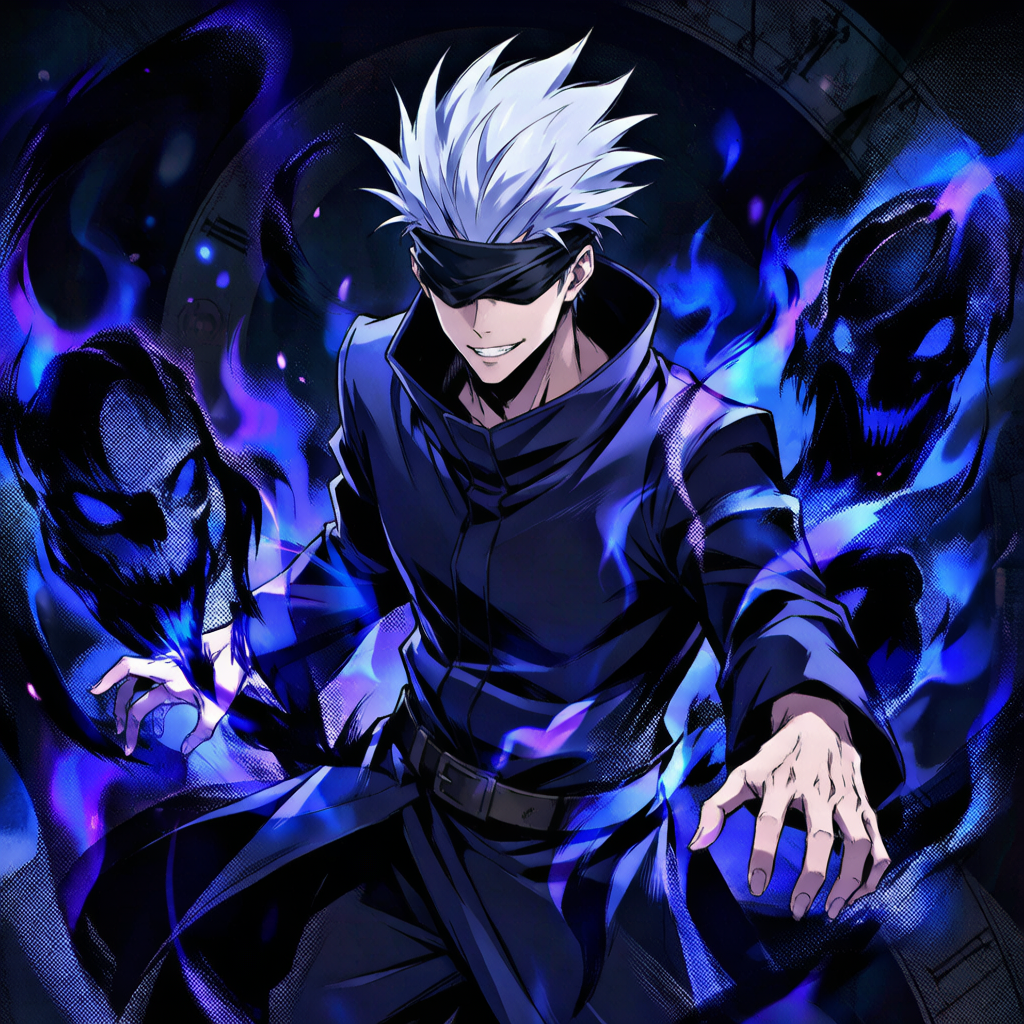
Gege Akutami's Jujutsu Kaisen has become one of the defining shonen manga of the 2020s. With the anime adaptation by MAPPA covering the early arcs, many viewers wonder whether the manga is worth reading beyond where the anime stops. The short answer is yes.
The Culling Game arc, which the anime has not yet fully reached, is where Akutami's storytelling ambition becomes clear. The arc introduces a battle royale structure that forces character growth through moral dilemmas rather than just power escalation.
Akutami's art evolves significantly over the series. Early chapters have rough, energetic linework. By the later arcs, the compositions become more deliberate, with double-page spreads that convey both scale and emotional weight.
The manga's greatest strength is its willingness to subvert shonen conventions. Major characters die without fanfare. Power-ups come with real costs. Yuji Itadori's journey is less about becoming the strongest and more about confronting consequences.
Rating: 4.6 out of 5. Essential reading for shonen manga fans. Start from chapter 1 even if you have watched the anime — the manga's tone is darker.
In-Depth Analysis
Gege Akutami's Jujutsu Kaisen has been described as a dark shonen that systematically deconstructs the genre's foundational tropes. The Culling Game arc represents the most ambitious narrative experiment in contemporary Weekly Shonen Jump, introducing a battle royale structure that forces moral ambiguity onto characters who previously operated within clear ethical frameworks. MAPPA's animation has been extraordinary — the studio's use of dynamic camera movements, fluid fight choreography, and stylized color grading during curse technique activation sequences has set new standards for action anime. However, the studio's labor practices have sparked industry-wide discussions about whether such visual quality can be sustained without exploiting animators, many of whom work on short-term contracts with minimal benefits.